
Drywall Installation in Nashua, NH: The Ultimate Homeowner’s Guide
Homeowners in Nashua, NH often think of drywall as “just the stuff behind the paint.” In reality, your drywall system is a major player in:
How warm your home feels in January
How cool and dry it feels in July
How quiet your rooms are
How clean and modern your spaces look over time
Done well, drywall installation gives you smooth, durable walls and ceilings that stand up to New England seasons. Done poorly, it leads to cracks, nail pops, wavy walls, musty smells, and constant repainting.
This guide is designed to give Nashua homeowners a deep, practical understanding of drywall installation—from planning and materials to workmanship, cost, and long-term maintenance.
You’ll learn:
How drywall behaves in Nashua’s climate (cold winters, humid summers, and tricky basements)
The most common drywall problems in local homes and what causes them
What a professional installation process actually looks like, step by step
Which types of drywall to choose for basements, bathrooms, living rooms, and more
How to plan a realistic budget and avoid surprise costs
What quality standards and communication practices you should expect from a professional contractor
Throughout, we’ll highlight how Pedroza’s Painting Services Inc, with over 9 years of experience serving Nashua, can help you achieve a result that’s not just “good enough” but comfortable, efficient, and long-lasting.

What Is Drywall Installation and Why Does It Matter in Nashua, NH?
Drywall installation is the process of:
Preparing the wall or ceiling framing
Hanging gypsum boards
Taping seams and corners
Applying multiple coats of joint compound
Sanding, refining, and texturing
Preparing the surface for primer and paint
In a climate like Nashua’s, drywall isn’t just cosmetic—it’s a critical part of your home’s:
Thermal envelope (keeping heat in during winter, heat out during summer)
Moisture management (especially in basements and bathrooms)
Acoustic separation (home offices, bedrooms, multi-story living)
Fire resistance (garages, utility rooms, furnace rooms)
When you choose the right type of drywall and pair it with professional installation, you’re not only improving how your home looks—you’re also improving how it performs and how long it will stay solid and clean.
Common Drywall Challenges in Nashua Homes
Most Nashua homeowners run into a familiar set of drywall problems over time. Understanding them—and their root causes—makes it much easier to plan a better installation or replacement.
Typical drywall issues in Nashua, NH:
Hairline cracks around doors, windows, and ceilings
Nail pops and visible fastener lines
Wavy or uneven walls that show under certain lighting
Stains, bubbling, or soft spots from moisture
Musty odors or suspected mold in basements
Sound traveling too easily between rooms or floors
These issues almost always come back to a mix of climate, materials, and workmanship.
Quick Diagnostic Table: Drywall Problems, Causes, and Impact
| Problem | Common Causes | Typical Homeowner Impact |
|---|---|---|
| Cracks around doors/windows | Seasonal framing movement, improper taping, low-quality mud | Visible defects, repainting, concern about “structural” issues |
| Nail pops | Incorrect fastener type/spacing, framing shrinkage | Bumps under paint, uneven walls, cosmetic dissatisfaction |
| Wavy or uneven walls | Poor framing prep, rushed hanging, inadequate sanding | Light reveals imperfections, hard to install cabinets/shelving |
| Moisture stains or soft spots | Condensation, minor leaks, no moisture-resistant drywall | Stains, musty odor, potential mold growth |
| Poor sound insulation | Standard drywall where soundproofing was needed | Noise between rooms, lack of privacy, frustration |
| Peeling or uneven paint finish | Inadequate sanding, no Level 4/5 finish, poor primer | “Cheap” look, frequent repainting, reduced resale appeal |
Reading this table before you start a drywall project helps you prioritize what to control: framing prep, moisture management, and finishing quality.
How Nashua’s Climate Affects Drywall Performance
Nashua isn’t a mild, steady environment. Your drywall has to survive:
Cold, dry winters – forced-air heat, shrinking wood framing, and static dryness
Warm, humid summers – higher indoor humidity, basements that feel damp
Transitional seasons – swings in temperature and moisture that stress materials
Winter: Shrinkage, Cracking, and Drafts
In January and February, indoor air is often very dry. Wood framing shrinks slightly, which can:
Put stress on taped joints
Cause hairline cracks at ceiling corners
Expose weak spots where mud was too thin or dried too fast
Well-installed drywall with properly embedded tape, multiple mud coats, and good sanding handles this movement far better than rushed work.
Summer: Humidity, Basements, and Moisture Damage
In July and August, Nashua basements and lower levels can experience:
High humidity and condensation on cool surfaces
Moisture wicking through foundation walls
Stale air in rooms with poor ventilation
If regular drywall was used where moisture-resistant drywall should have been, you may see:
Staining
Soft spots
Musty odor
Early signs of mold
Choosing the right drywall type for each space is critical in this climate—especially in basements, bathrooms, and laundry rooms.

The Professional Drywall Installation Process in Nashua, NH
Here’s what a thorough, professional drywall installation process looks like when you work with a contractor like Pedroza’s Painting Services Inc.
1. Site Visit, Assessment, and Planning
A quality job begins before the first sheet of drywall is cut.
During the initial visit, a pro should:
Inspect existing framing or walls
Check for moisture issues in basements or exterior walls
Identify areas needing moisture-resistant or fire-rated drywall
Discuss sound/privacy needs (home office, bedrooms, media room)
Confirm ceiling heights, lighting locations, and fixture placements
From there, you should receive a written, detailed estimate that clearly states:
Which areas will get new drywall
What type of drywall will be used in each room
How many coats of mud and what finish level (e.g., Level 4 or Level 5)
Any necessary repairs to framing or insulation
2. Framing Preparation and Environment Setup
Drywall is only as good as the surface it’s mounted to.
Before hanging drywall, a professional should:
Check stud spacing (typically 16″ on center)
Straighten and plane any twisted or bowed studs
Add blocking where heavy items (cabinets, TV mounts, shelving) will be installed
Address any obvious moisture problems (e.g., leaks, condensation)
Ensure working temperature and ventilation are adequate for mud to cure properly
Skipping this step leads to wavy walls, cracked seams, and nail pops. At Pedroza’s, framing prep is a non-negotiable part of the process.
3. Hanging the Drywall: Precision and Fastening
Hanging drywall is both technical and visual. The goal is to minimize seams and create a stable base.
Key best practices include:
Using board thickness appropriate to the space (often 1/2″ for walls, 5/8″ for ceilings or fire-rated areas)
Orienting sheets to reduce the number of joints
Cutting clean openings for electrical boxes, windows, and doors
Fastening with proper screws at the correct spacing and depth (no breaking the paper face)
Well-hung drywall:
Lays flat
Has aligned seams
Minimizes need for heavy corrective mudding later
4. Taping, Mudding, and Sanding: Where the Finish Is Made
This is where the real craftsmanship shows.
A professional finishing sequence typically includes:
First coat:
Embed tape in joint compound over all seams
Cover screw heads with thin coats
Second coat:
Widen seams to feather them out
Add compound to inside and outside corners
Third (and sometimes fourth) coat:
Further feather seams
Refine corners and transitions
Prepare surfaces for the chosen finish level
Sanding:
Sand with appropriate grits
Use raking light to reveal imperfections
Spot touch-up as needed
For high-end spaces (living rooms, feature walls, areas with strong lighting), a Level 5 finish—a skim coat across the entire surface—is often recommended to avoid visible joints under certain light conditions.
5. Texturing (If Desired) and Pre-Paint Inspection
Depending on the style of your Nashua home, you might choose:
Smooth finish (modern, clean, premium look)
Light orange peel (common in many homes, hides minor imperfections)
Knockdown texture (adds character and dimension)
A responsible contractor will:
Walk the space with you
Point out the level of finish provided
Make minor corrections before priming
Choosing the Right Drywall for Each Room in Your Nashua Home
Not all drywall is the same. Different boards solve different problems.
Drywall Types and Where to Use Them
| Drywall Type | Best Locations in Nashua Homes | Key Benefits |
|---|---|---|
| Standard drywall (white board) | Bedrooms, hallways, general living areas | Cost-effective, smooth finish, easy to paint |
| Moisture-resistant (green board) | Bathrooms (non-shower walls), laundry rooms, some basements | Resists moisture, helps prevent mold and humidity damage |
| Mold-resistant (purple board, etc.) | High-risk moisture areas, some basement walls | Enhanced mold protection, ideal where humidity is persistent |
| Fire-rated drywall (Type X) | Attached garages, utility rooms, furnace rooms | Slows fire spread, often required by code |
| Sound-dampening drywall | Home offices, bedrooms, nurseries, media rooms | Reduces noise transfer between rooms and floors |
| Impact-resistant drywall | Stairways, kids’ playrooms, high-traffic corridors | More resistant to dents and impacts |
A good contractor doesn’t just grab one type for the whole house—they match the material to the room, especially in a climate like Nashua’s.
Budget Planning for Drywall Installation in Nashua, NH
Drywall installation can range from a modest upgrade to a major investment, depending on:
The number of rooms or floors
Ceiling height and complexity
Existing conditions (demo, repairs, framing corrections)
Type of drywall and finish level
Whether painting is included
While pricing varies, your goal is not just to “find the lowest number” but to understand how that number is built.
Comparing Quote Styles and Budget Approaches
| Pricing Approach | Characteristics | Expected Impact |
|---|---|---|
| Detailed line-item estimate | Breaks out labor, materials, prep, finishing, and options | High transparency; easier to compare and control |
| Simple “ballpark” estimate | One total number with little breakdown | Higher risk of add-ons, change orders, and disputes |
| Fixed-price contract with exclusions | Firm total, with clearly listed exclusions and assumptions | Predictable if exclusions are understood and documented |
| Time-and-materials with cap | Actual hours & materials, but with a maximum agreed total | Flexible for tricky jobs; requires trust and documentation |
For most Nashua homeowners, a detailed line-item estimate from a company like Pedroza’s is ideal because you can see:
How much is allocated to drywall vs. finishing vs. repairs
Which spaces will use moisture- or mold-resistant drywall
Whether paint/primer is included
Practical Budget Tips
Set aside a 10–15% contingency for older homes or basement work
Ask for options: e.g., “standard drywall vs. upgraded sound-dampening in this room”
Tie payments to milestones (e.g., demo complete, drywall hung, finishing completed, final walkthrough)
Make sure any change orders are in writing (especially if you add rooms or change materials mid-project)
How Pedroza’s Painting Services Inc Keeps Drywall Projects Predictable
While this guide is educational, it’s also grounded in the way Pedroza’s Painting Services Inc actually works with Nashua homeowners.
Transparent Estimates and Scope
You can expect:
Free, written estimates for drywall projects
Clear indication of which rooms get which drywall type
Defined finishing level (e.g., Level 4 vs. Level 5)
Notes on any framing or repair work required
This transparency helps you compare bids fairly and avoid low-price quotes that balloon after work starts.
Clear Communication and Single Point of Contact
To avoid miscommunication, Pedroza’s typically:
Assigns a single point of contact for your project
Sets realistic start and completion windows based on scope and season
Provides updates as key stages are completed
Uses written documentation for scope changes
Homeowners who insist on this level of structure with any contractor experience fewer surprises and smoother timelines.
Quality Standards and Final Walkthrough
Quality isn’t just about how walls look on day one—it’s how they look under strong light, after a full heating season, and when you start decorating or hanging items.
Pedroza’s focuses on:
Proper framing prep and drywall hanging
Multi-coat mudding and careful sanding
Matching drywall types to room function and climate zone
Final walkthroughs and punch-list corrections before you sign off
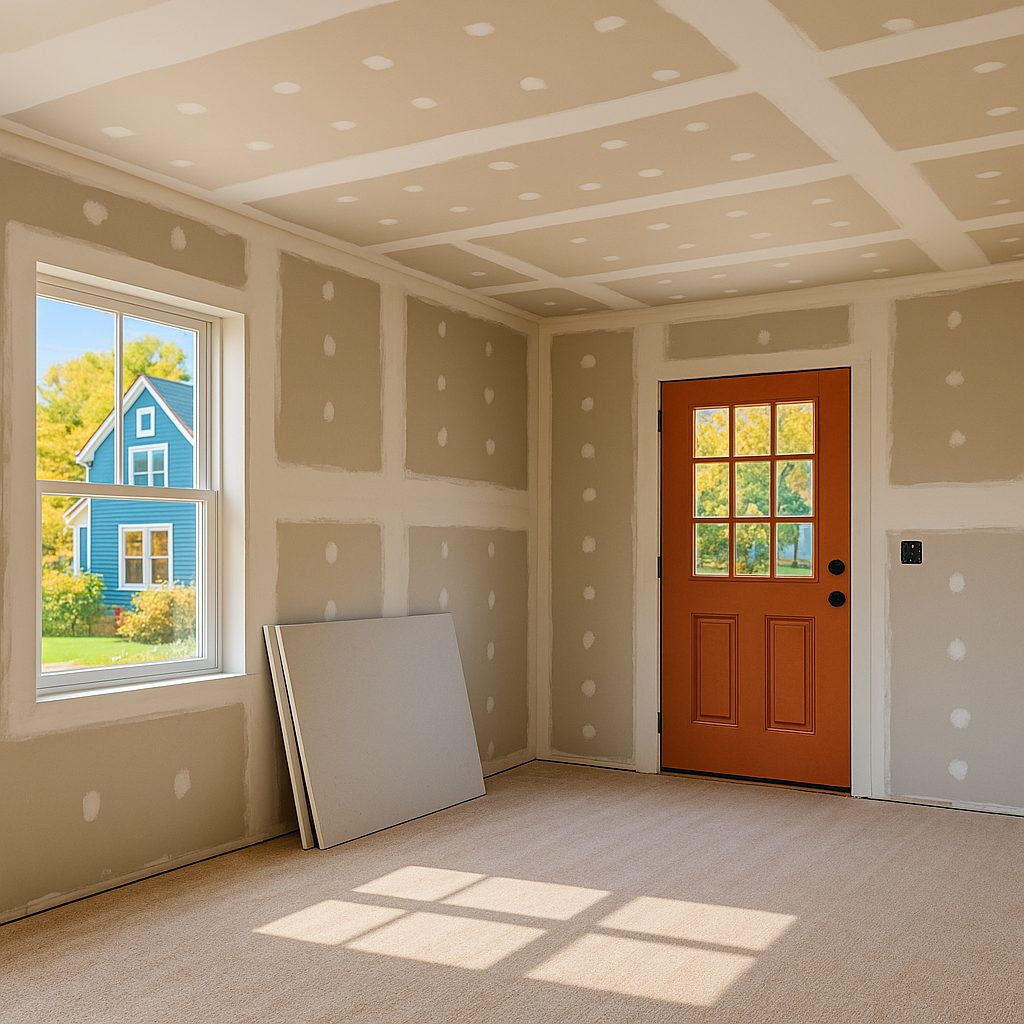
Checklist: How to Prepare Your Nashua Home for Drywall Installation
Use this simple checklist before your project starts:
Before Work Begins
Decide which rooms need drywall replacement or new installation
Identify special needs: moisture risk, soundproofing, or fire-rated areas
Request a detailed, itemized estimate
Confirm who will handle demo and debris removal
Clarify whether painting/priming is included
One to Two Days Before
Clear rooms or move furniture to the center and cover as needed
Remove fragile items from walls and shelves
Ensure pets and kids are kept away from work zones
Confirm access (driveway, doors, basement entry if needed)
During the Project
Walk the space briefly after hanging, before finishing, if possible
Ask questions if you see anything that concerns you
Approve any scope changes in writing
After Completion
Inspect walls and ceilings under good lighting
Check corners, seams, and around windows and doors
Verify that work areas are clean and debris has been removed
Long-Term Care: How to Maintain Your Drywall in Nashua’s Climate
Once your new drywall is installed, a few simple habits can extend its life.
Moisture & Humidity Control
Use bathroom fans during and after showers
Consider a dehumidifier in basements during humid months
Address plumbing leaks or condensation immediately
Keep gutters and exterior drainage in good condition to reduce water intrusion
Everyday Use
Use proper wall anchors for heavy items (TVs, large mirrors, shelving)
For minor dings, repair with lightweight joint compound and touch-up paint
Avoid slamming doors, which can stress corners and seams over time
Seasonal Check-Ins
At least once a year (often after winter):
Walk rooms and look for new cracks or nail pops
Note any discoloration or soft spots
Schedule small repairs before they become larger issue
Frequently Asked Questions About Drywall Installation in Nashua, NH
How long does a typical drywall project take?
For a single room, most projects take 2–4 days, including hanging, taping, mudding, sanding, and drying time between coats. For multiple rooms or whole-house projects, timelines can range from one to two weeks, depending on:
Square footage
Ceiling height
Complexity (arches, niches, soffits)
Number of coats and finish level
Can you install drywall in winter in Nashua?
Yes—professional drywall installation can be done in winter as long as:
The space is properly heated
There is enough ventilation for the joint compound to cure
Temperature and humidity are controlled within recommended ranges
Experienced contractors plan around the season and adjust products and schedule according
What type of drywall is best for my basement in Nashua?
For basements, we generally recommend:
Moisture-resistant drywall on walls
Mold-resistant options if humidity is a recurring issue
Proper insulation and, where appropriate, vapor control behind the drywall
Pairing the right material with good ventilation and humidity control is key to a dry, comfortable basement.
Is it worth paying extra for sound-dampening drywall?
It depends on how you use the space. It’s often worth it for:
Home offices
Bedrooms that share walls with noisy areas
Media rooms or playrooms
In those rooms, upgraded drywall can significantly improve comfort and privacy and may be more cost-effective than trying to retrofit soundproofing later.
Can I patch or repair drywall myself after installation?
Small nail holes, minor dings, and very small cracks can often be repaired by homeowners with basic materials. However, for:
Larger holes
Spreading cracks
Water-damaged areas
Seams that have failed
it’s better to call a professional to ensure the problem is fully resolved and doesn’t return.
How do I know if my existing drywall needs to be replaced instead of just patched?
Replacement is usually recommended when:
There is extensive water damage or visible mold
Multiple walls show widespread cracking or failure
You’re remodeling and changing layouts significantly
The drywall is visibly sagging or soft in large areas
A quick on-site evaluation by a professional can tell you whether repair or replacement makes more sense.
Does Pedroza’s Painting Services Inc only handle drywall, or can you paint as well?
Pedroza’s Painting Services Inc provides both drywall installation/repair and professional painting services, which is ideal because:
The same team that finishes your drywall prepares it for paint
You get consistent quality from bare board to final color
You don’t have to coordinate multiple contractors
Conclusion: Invest in Drywall That Works for Nashua, Not Against It
Drywall installation in Nashua, NH is more than hanging boards and covering seams. It’s about designing a system that:
Handles cold winters and humid summers
Reduces noise where you need quiet
Resists moisture where your home is most vulnerable
Looks smooth and clean under real-world lighting
Stays strong and attractive for many years
When you combine the right materials with professional installation and clear communication, you get walls and ceilings that quietly do their job in the background—so you can enjoy your home in comfort.
Pedroza’s Painting Services Inc has spent over 9 years helping Nashua homeowners get that result through:
Careful assessment and planning
Transparent, detailed estimates
High-quality drywall installation and finishing
Optional painting services for a complete, ready-to-live-in space
If you’re planning a renovation, finishing a basement, or updating tired walls and ceilings, now is the ideal time to upgrade your drywall the right way.
Ready to Improve the Walls and Ceilings in Your Nashua Home?
Ready to improve the surfaces of your Nashua home with professional craftsmanship? Contact us today to request your free, no-obligation drywall estimate, or call us directly at: (508) 501-9417
Expert Drywall Installation in Nashua, NH
When choosing a contractor for your interior surfaces, working with a local team that understands New Hampshire’s climate and construction standards is essential. Pedroza Painting Services INC provides specialized drywall solutions tailored to the unique needs of homeowners in Nashua, ensuring durability and a flawless finish every time.
If you are ready to start your project, visit our dedicated service page to learn more: