
Understanding the Ideal Window for Exterior Home Renovation
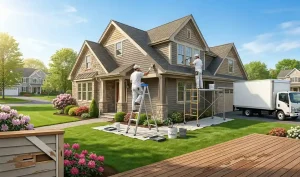
When you live in regions like New Hampshire or Massachusetts, your home faces a constant battle with the elements. Deciding on the best time of year to paint a house exterior isn’t just about picking a sunny day on the calendar, it is about understanding the delicate science of climatology and material science.
As we move into 2026, homeowners are more focused than ever on protecting their biggest investment through high-quality residential painting. The right timing ensures that your acrylic latex paint or oil-based stain bonds correctly to the substrate, whether you have cedar siding, fiber cement, or stucco.
The success of your exterior renovation project depends on three main pillars: ambient temperature, surface moisture, and atmospheric humidity. If any of these are out of alignment, you risk premature paint failure, such as bubbling, cracking, or peeling, which leads to costly repairs down the road.
At Pedroza’s Painting Services inc., we have spent years studying the local microclimates of the Merrimack Valley. We know that the window for a perfect finish is narrower than most people think, and waiting for the “perfect” week is the difference between a job that lasts five years and one that lasts fifteen.
The Science of Temperature and Paint Adhesion
Modern paint technology has come a long way by 2026, but the laws of physics remain the same. Paint manufacturers design their products to dry and cure within specific temperature ranges. If the air is too cold, the liquid components cannot evaporate; if it is too hot, the paint dries too fast, preventing the film from leveling out.
For most exterior house painters, the “Goldilocks” zone for surface preparation and application is between 50°F and 85°F. However, with the advent of low-temp paints, some professional crews can now operate safely down to 35°F, provided the temperature remains steady during the curing phase.
It is crucial to remember that surface temperature is often different from the air temperature. A wall in direct sunlight can be 20 degrees hotter than the ambient air, while a shaded area over a damp basement can be significantly colder. This disparity affects how the pigment and binder settle into the wood grain or masonry.
Fluctuations are the enemy of a Home Renovation Contractor. If we apply a fresh coat of premium exterior paint in the afternoon and the temperature drops 30 degrees overnight, the thermal shock can cause the paint to lose its grip before it has fully polymerized.
Why Late Spring and Summer are Peak Painting Seasons
In the Northeast, late May through early September is traditionally seen as the prime window for exterior painting services. During this period, the days are longer, allowing for extended work hours and better visibility for detail work like trim painting and shutter restoration.
Late spring is particularly effective because the pollen count begins to drop, and the extreme humidity of the dog days of summer hasn’t yet arrived. This allows the primer to penetrate deep into the pores of the siding without being blocked by excessive moisture trapped in the fibers of the wood.
Summer offers the most consistent weather patterns, which is vital for large-scale commercial painting or multi-day residential projects. Consistent heat helps in the “flashing” of the paint, ensuring a uniform sheen across large surfaces like clapboard or shingle siding.
However, summer brings its own challenge: the “sun-tracking” method. A skilled painting contractor will follow the shade around the house. Painting in direct, mid-day sun can cause flash drying, leading to unsightly brush marks and a finish that looks uneven and unprofessional.
Navigating Humidity and Rain in New England
Humidity is perhaps the most misunderstood factor in exterior home maintenance. High humidity levels mean the air is already saturated with water vapor, leaving nowhere for the water in your water-based paint to go. This slows the drying process to a crawl.
In New Hampshire and Massachusetts, we often deal with “morning dew.” Applying paint over a surface that hasn’t fully dried from the night before is a recipe for disaster. The moisture gets trapped behind the paint film, leading to efflorescence or rot in wood siding.
| Environmental Factor | Ideal Range | Impact on Paint Quality |
| Air Temperature | 50°F – 80°F | Determines the speed of evaporation and film formation. |
| Humidity Level | 40% – 70% | High humidity prevents drying; low humidity causes cracking. |
| Wind Speed | Below 15 mph | High winds carry dust and debris into the wet paint film. |
| Moisture Content | Below 12% | Substrate must be dry to ensure the primer bonds to the fibers. |
Rain is the obvious disruptor. A professional Home Renovation Contractor like Pedroza’s Painting Services inc. monitors radar closely. We need a minimum of 24 to 48 hours of dry weather before painting and at least 4 to 8 hours of dry time after application before any precipitation hits the surface.
If it rains shortly after a coat is applied, the water can wash away the resins and additives, leaving a chalky residue. This is why our scheduling is flexible, we prioritize the integrity of the finish over a rigid calendar date to ensure your home remains protected through the winter of 2026.
Fall Painting: The Hidden Advantage for Homeowners
Many homeowners overlook the fall as a viable time for exterior painting, but it is actually one of the best kept secrets in the industry. The months of September and October often provide the most stable temperatures, with warm days and cool, but not freezing, nights.
The low humidity levels of autumn are perfect for Siding Installation and subsequent painting. Because the air is drier, the paint cures more thoroughly, creating a harder, more durable shell that is ready to withstand the upcoming snow and ice.
Furthermore, by late fall, the lush vegetation around your home begins to thin out. This provides easier access for ladders and scaffolding, and reduces the risk of wet leaves sticking to your fresh exterior paint. It is an ideal time for Deck Repair and Deck Painting before the winter lockout.
The only caveat with fall painting is the “dew point.” As the sun goes down earlier, the temperature drops rapidly, and moisture condenses on the walls. We usually stop painting by 2:00 PM or 3:00 PM in October to give the paint enough “set time” before the evening dampness sets in.
Preparation: The Foundation of Every Season
Regardless of whether you choose June or September, the best time of year to paint a house exterior is only as good as the surface preparation that precedes it. You cannot paint over dirt, mildew, or failing previous coats and expect a lasting result.
Our process involves a thorough power washing to remove atmospheric pollutants and biological growth like mold. This must be done several days before painting to ensure the moisture levels in the wood have returned to a safe baseline, typically measured with a moisture meter.
Following the wash, we engage in intensive scraping and sanding. This is part of our General Repairs workflow, where we identify soft spots in the wood, perform drywall repairs if applicable to interior-facing mudrooms, and handle Finish Carpentry tasks like replacing rotted fascia boards or soffits.
A high-quality primer is the bridge between the old surface and the new color. In 2026, we use advanced bonding primers that are specifically formulated for the variable weather of the North. This ensures that the topcoat has a stable, uniform surface to cling to, regardless of the season.
Choosing the Right Product for the Current Climate
The evolution of chemical engineering in the painting industry has expanded the “painting season” significantly. We now have access to advanced polymers that allow for application in conditions that would have been impossible a decade ago.
Acrylic Latex: The gold standard for most residential homes, offering flexibility to expand and contract with the wood during temperature swings.
Elastomeric Coatings: Ideal for stucco or masonry, providing a waterproof barrier that can bridge small cracks.
Solid Stains: Excellent for older wood siding where you want the look of paint but the breathable properties of a stain.
Choosing the right product is just as important as choosing the right day. A Painting Contractor who understands the materiality of your home will select a product that complements the local weather. For instance, homes near the coast might require a different salt-resistant finish than those in the wooded areas of Nashua.
By selecting the correct gloss level—whether it be flat, satin, or semi-gloss—we can also influence how the home handles heat absorption. Darker colors in the summer sun will absorb more UV radiation, which can lead to faster fading if the paint isn’t formulated with high-quality UV inhibitors.
Frequently Asked Questions About Exterior Painting Timing
Can you paint a house in the winter?
In most cases in the Northeast, we do not recommend exterior painting during the dead of winter. While some paints claim to work at 35°F, the risk of ice formation on the substrate and the lack of consistent sunlight make it a gamble that usually isn’t worth the risk to the homeowner’s budget.
How long does the exterior painting process take?
For a standard single-family home, a full exterior renovation including prep, minor carpentry, and two coats of paint usually takes between 5 to 10 days, depending on weather cooperation. Large commercial painting projects may take longer and require specialized aerial lifts.
Does the color of the paint affect when I should paint?
Yes, dark colors absorb more heat. If you are painting a house a dark charcoal or navy blue in the middle of a 90°F July day, the paint can actually “cook” on the surface. We plan our schedule to apply darker pigments during cooler parts of the day or in the shade.
Is it better to paint in the morning or afternoon?
We generally start after the morning dew has evaporated, usually around 9:00 AM. We aim to finish our application early enough in the afternoon so the paint is “tack-free” before the evening temperature drop and moisture return.
The Role of Professional Equipment and Safety
Painting a two-story home involves more than just a brush and a bucket. It requires OSHA-compliant scaffolding, high-reach ladders, and sometimes industrial sprayers for a factory-like finish on siding.
Safety is our top priority at Pedroza’s Painting Services inc.. Wind speed is a major factor here; we do not operate spray equipment or high ladders if gusts exceed 15-20 mph. Not only is it a safety hazard, but high winds cause the paint to dry too quickly and can carry overspray onto your neighbor’s property or your own landscaping.
Our teams are trained in lead-safe work practices, which is vital for homes built before 1978. If we are scraping old paint during a Home Renovation, we ensure all debris is contained and disposed of properly, protecting your family and the local environment.
By hiring a licensed and insured Home Renovation Contractor, you are ensuring that the technical aspects of the job—the parts you don’t see, like flashing and caulking—are handled with the same care as the final coat of paint.
Maximizing Your Investment with Pedroza’s Painting Services inc.
When you invest in exterior painting, you are buying peace of mind. A fresh coat of paint is a shield against wood rot, termite infestation, and water damage. In the competitive real estate market of 2026, curb appeal is the primary driver of home value.
We don’t just “slap on a coat of paint.” We look at your home as a complete system. If your Siding Installation is failing, we tell you. If your Decks need structural repair before they are stained, we handle it. This holistic approach is why we are considered the premier Painting Contractor in the region.
Our commitment to quality means we only use premium products from trusted manufacturers. We understand the chemistry behind the binders and solvents, ensuring that every stroke of the brush contributes to a long-lasting, beautiful finish that you can be proud of for years to come.
Whether you are in Nashua, NH, or Andover, MA, our local expertise allows us to predict and pivot based on the specific weather patterns of your neighborhood. We are your partners in home preservation.
Conclusion: Planning Your 2026 Exterior Project
The best time of year to paint a house exterior is a window of opportunity that requires careful planning and professional execution. By targeting the stable weather of late spring, summer, or early fall, you ensure that the premium materials you’ve invested in can perform at their peak, creating a durable shield for your property.
To ensure your home’s exterior remains protected and beautiful throughout 2026, keep these factors in mind:
Weather Window Optimization: Trust the experts who understand the intersection of New England weather patterns and advanced paint technology to avoid moisture-related failures.
Meticulous Preparation: From the initial power wash to the final trim detail, every stage must be timed correctly to ensure maximum adhesion and a seamless finish.
Proactive Scheduling: Securing your spot in the painting calendar early allows for better coordination of surface repairs and material sourcing before the peak season.
Ready to revitalize your home’s exterior and boost its protection for the years ahead? Contact us today to schedule your comprehensive estimate and secure your spot in our 2026 painting calendar, or call us directly at: (508) 501-9417
Expert Exterior Painting Services Near You
Choosing a partner with local experience ensures your exterior is treated with high-performance coatings specifically engineered for the Northeast climate. Pedroza’s Painting Services INC provides specialized solutions across multiple communities, delivering tailored results that ensure your investment stands the test of time.
If you are located in one of the areas below, explore our dedicated service pages to learn more about how our team can help with your exterior project:
- Exterior Painting in Londonderry, NH
- Exterior Painting in North Andover, MA
- Exterior Painting in Westford, MA
- Exterior Painting in Tyngsborough, MA
- Exterior Painting in Nashua, NH
- Exterior Painting in Pepperell, MA
- Exterior Painting in Amherst, MA
- Exterior Painting in Bedford, NH
- Exterior Painting in Billerica, MA
- Exterior Painting in Derry, NH
- Exterior Painting in Goffstown, NH
- Exterior Painting in Hollis, MA
- Exterior Painting in Hudson, MA
- Exterior Painting in Lebanon, NH
- Exterior Painting in Leominster, MA
- Exterior Painting in Manchester, NH
- Exterior Painting in Salem, NH
- Exterior Painting in West Groton, MA
- Exterior Painting in Windham, NH