
Why Drywall Cracks and Visible Seams Appear After Painting in Salem, NH Homes
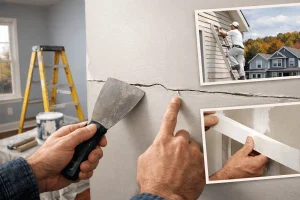
Drywall cracks and visible seams after painting are some of the most frustrating issues homeowners face in Salem, NH. Many people believe the problem comes from the paint itself, but in reality, the root cause almost always lies beneath the surface.
Homes in Salem, NH experience seasonal temperature shifts, humidity changes, and natural settling. These factors put stress on drywall joints, taped seams, and fastener points. When the drywall system is not installed or finished correctly, these stresses become visible after the final coat of paint dries.
Another common cause is rushed drywall preparation. Skipping proper taping, using low quality joint compound, or failing to allow adequate drying time between coats often leads to cracks that reappear weeks or months later. Paint highlights imperfections rather than hiding them, especially under natural or directional lighting.
Understanding why drywall fails is the first step toward preventing it. Once you know the causes, you can make informed decisions that protect the finish of your walls for years.
What Makes Salem, NH Homes More Prone to Drywall Issues
Salem, NH homes have unique environmental and structural factors that directly impact drywall performance. Ignoring these local conditions is one of the biggest mistakes homeowners make.
Seasonal Temperature Changes and Wall Movement
New Hampshire experiences cold winters and warm, humid summers. These temperature swings cause framing materials to expand and contract. Drywall is rigid by nature, so when the structure moves, stress concentrates along seams and corners.
Without proper joint reinforcement and flexible finishing techniques, cracks are almost inevitable. This is especially common around ceilings, door frames, and long wall spans.
Humidity Levels Inside the Home
Indoor humidity plays a major role in drywall durability. Excess moisture causes joint compound to soften slightly, while very dry conditions can make it brittle. Homes without proper ventilation, especially bathrooms and kitchens, often show seam lines after painting.
Using the correct drywall materials and moisture resistant techniques is essential in Salem homes.
Natural Settling in Newer and Older Homes
Both new construction and older homes settle over time. In new homes, this happens rapidly within the first few years. In older homes, gradual foundation movement can still stress drywall joints.
If drywall seams are not embedded correctly or if fasteners are improperly spaced, settling will expose those weaknesses after painting.
When Drywall Cracks Typically Show Up After Painting
Timing matters when diagnosing drywall problems. Cracks do not always appear immediately, which can be misleading.
Most drywall cracks and visible seams show up within the first few weeks after painting. This is when temperature changes, indoor humidity shifts, and normal building movement begin to stress the wall system.
Hairline cracks often appear at joints, corners, and ceiling transitions. Visible seams usually show as faint lines where drywall panels meet, especially under angled lighting or sunlight from windows.
If cracks appear months later, it often indicates deeper structural movement or poor drywall installation that was temporarily hidden by paint.
How Proper Drywall Installation Prevents Cracks and Seams
The most effective way to prevent drywall cracks and visible seams is to start with correct installation. Paint is the final step, but drywall installation is the foundation of a flawless wall system.
Professional drywall installation focuses on panel placement, fastening patterns, joint alignment, and material quality. Each of these elements works together to reduce stress on seams.
If you want a deeper look into professional techniques, learn more about drywall installation by experienced contractors who understand local building conditions.
Correct Drywall Panel Layout
Drywall panels should be installed with staggered seams whenever possible. Long continuous seams create weak points that are more likely to crack.
Panels should also be oriented correctly, with ceiling drywall installed before walls. This reduces movement at wall to ceiling transitions.
Proper Fastener Spacing and Depth
Fasteners that are too deep weaken the drywall core, while fasteners that are too shallow can pop through the surface later. Both issues lead to visible imperfections after painting.
Correct spacing distributes stress evenly across the panel, preventing localized cracking.
Expansion Gaps and Edge Support
Drywall must have slight expansion gaps where it meets other materials. Without these gaps, seasonal movement pushes panels against each other, forcing cracks at seams.
Proper edge support, especially around doors and windows, prevents flexing that leads to joint failure.
Why Drywall Taping and Mudding Matter More Than Paint
Many homeowners focus heavily on paint quality, but drywall taping and mudding are far more important for long term results.
Taping reinforces drywall joints and distributes stress across a wider surface. Mudding builds a smooth, gradual transition between panels that hides seams once painted.
Choosing the Right Drywall Tape
Paper tape and fiberglass mesh tape behave differently. Paper tape offers superior strength when embedded correctly, making it ideal for most interior applications.
Fiberglass mesh tape is easier to apply but requires setting type compound to prevent cracking. Using the wrong combination often results in seam lines after painting.
Applying Joint Compound in Multiple Layers
Professional drywall finishing uses multiple thin layers of joint compound rather than one thick coat. Each layer must dry completely before the next is applied.
This layered approach reduces shrinkage, which is a common cause of visible seams.
Feathering Edges for Seamless Transitions
Feathering means gradually thinning the joint compound outward from the seam. Without proper feathering, seams remain visible even after multiple coats of paint.
Lighting conditions in Salem homes often reveal poorly feathered joints, especially in living rooms and hallways.
How Drywall Sanding Affects the Final Painted Finish
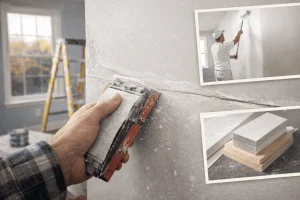
Sanding is where many drywall projects fail. Over sanding weakens joints, while under sanding leaves ridges and imperfections that paint cannot hide.
Using the Correct Grit Sandpaper
Different stages of sanding require different grit levels. Starting too coarse damages the surface, while finishing too rough leaves texture inconsistencies.
Professional drywall finishing balances smoothness with surface integrity.
Avoiding Over Sanding on Seams
Over sanding removes joint compound from tape edges, exposing the tape itself. Once this happens, seams are almost guaranteed to show through paint.
Dust Control During Sanding
Drywall dust can interfere with primer and paint adhesion. Thorough dust removal is critical before moving to the painting phase.
Why Primer Is Critical to Prevent Visible Seams After Painting
Primer is not optional when it comes to drywall. It creates a uniform surface that seals porous joint compound and drywall paper.
Without primer, paint absorbs unevenly, making seams and patches stand out.
Choosing the Right Primer for Drywall
High quality drywall primers are specifically designed to equalize surface texture and absorption. General purpose primers often fall short.
How Primer Reveals Hidden Imperfections
Primer highlights flaws before paint is applied. This is actually beneficial because it allows corrections before the final finish.
Skipping this step almost always leads to disappointment after painting.
Interior Painting Techniques That Help Hide Drywall Seams
Painting technique matters just as much as drywall preparation. Certain methods help minimize the appearance of seams and prevent cracks from standing out.
Paint Sheen Selection
Flat and matte finishes hide imperfections better than high gloss paints. While sheen choice depends on the room, understanding its impact is important.
Consistent Roller Pressure and Coverage
Uneven roller pressure creates texture variations that draw attention to drywall seams. Consistent application produces a uniform finish.
Lighting Considerations in Salem Homes
Natural light from windows and artificial lighting angles can exaggerate wall imperfections. Planning paint application with lighting in mind improves results.
Common Mistakes That Lead to Drywall Cracks After Painting
Avoiding common mistakes can save time, money, and frustration.
Rushing the Drywall Process
Drywall finishing cannot be rushed. Skipping drying time between coats weakens joints and increases shrinkage.
Painting Too Soon After Drywall Work
Joint compound must fully cure before painting. Painting too soon traps moisture, leading to cracks later.
Ignoring Structural Movement
Cracks that reappear repeatedly often indicate structural movement. Cosmetic fixes alone will not solve the problem.
How Professional Home Renovation Contractors Prevent These Issues
Experienced home renovation contractors understand that drywall, painting, and structural elements must work together.
At Pedroza’s Painting Services Inc, drywall finishing is treated as a critical phase, not an afterthought. Each step is planned to accommodate Salem’s climate, home construction styles, and long term durability.
For homeowners in the area, professional Drywall Installation in Salem, NH ensures walls remain smooth, crack free, and visually flawless.
When to Repair Drywall Before Repainting
Knowing when to repair drywall before painting prevents recurring issues.
Signs You Need Drywall Repair
Cracks that reappear, visible seams under lighting, nail pops, and uneven wall textures all indicate the need for repair.
Repair Versus Replacement
Minor cracks can be repaired, but widespread seam visibility often requires re taping or skim coating.
Preparing Walls for Long Term Results
Proper repair includes reinforcing joints, correcting fasteners, and applying new compound layers before painting.
Preventive Maintenance Tips for Salem, NH Homeowners
Prevention does not stop after painting.
Managing Indoor Humidity
Using dehumidifiers and proper ventilation reduces drywall stress.
Monitoring Structural Changes
Pay attention to recurring cracks, especially around doors and ceilings.
Scheduling Professional Inspections
Periodic inspections help catch issues early before they worsen.
Why Home Renovation Experience Matters for Drywall and Painting
Drywall is not a standalone service. It connects directly to painting, carpentry, flooring, and overall home renovation quality.
A contractor who understands the full renovation process can anticipate issues that others miss. This holistic approach results in walls that look better and last longer.
Pedroza’s Painting Services Inc brings this comprehensive renovation expertise to every project in Salem, NH.
Final Thoughts on Preventing Drywall Cracks and Seams After Painting
Preventing drywall cracks and visible seams after painting requires proper planning, skilled installation, careful finishing, and professional painting techniques.
By addressing the root causes and working with experienced home renovation contractors, homeowners in Salem, NH can enjoy smooth, durable walls that enhance the beauty and value of their homes.
If you are planning a renovation or noticing drywall issues after painting, the best next step is to speak with a professional who understands the complete process.
Get Expert Help for Drywall and Painting in Salem, NH
If you want lasting results and a flawless finish, trust professionals who specialize in home renovation and drywall systems.
📞 Call (508) 501-9417 today or visit the contact page to schedule a consultation with Pedroza’s Painting Services Inc.
Your walls deserve expert care from start to finish.