
Why Interior Painting Mistakes Are So Common in Home Renovation Projects
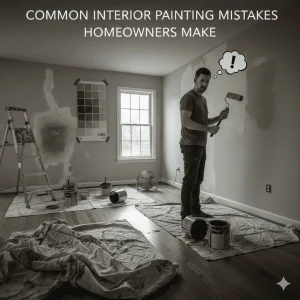
Interior painting looks simple at first glance, but in real home renovation projects, it is one of the stages where most homeowners make costly and frustrating mistakes. In 2026, with more people upgrading their homes instead of moving, interior painting has become a central part of renovation planning.
Many of these errors happen because painting is treated as a cosmetic task, not as a technical renovation process. Interior painting is deeply connected to drywall condition, surface preparation, humidity control, material selection, and proper sequencing within the renovation timeline.
Homeowners often underestimate how paint interacts with walls, ceilings, trim, doors, and even indoor air quality. When mistakes happen, they show up fast, peeling paint, uneven finishes, visible roller marks, or colors that simply do not look right once the room is finished and furnished.
A professional home renovation contractor understands that interior painting is not an isolated task. It is part of a system that includes drywall installation, plastering, carpentry, flooring, and final detailing.
Skipping Proper Wall Preparation Before Interior Painting
Painting Over Dirty, Dusty, or Greasy Surfaces
One of the most common interior painting mistakes homeowners make is painting over walls that were not properly cleaned. Dust, grease, and residue prevent paint from bonding correctly, which leads to early peeling or bubbling.
Kitchens, hallways, and high traffic areas often have invisible grease buildup that affects adhesion. Even newly installed drywall produces fine dust that must be removed before priming.
Proper surface cleaning is not optional. It is a foundational step in residential interior painting and a key reason why professional results last longer.
H3: Ignoring Wall Damage, Cracks, and Imperfections
Another frequent mistake is assuming paint will hide flaws. Paint actually highlights imperfections, especially under natural or angled lighting. Small cracks, nail pops, dents, and uneven textures become more visible after painting.
Professional interior painting always includes wall assessment and repair, which may involve drywall patching, plaster skim coating, or sanding uneven surfaces.
Skipping this step results in walls that look unfinished, no matter how expensive the paint is.
Not Using Primer or Using the Wrong Primer
Primer plays a critical role in interior painting, yet many homeowners skip it to save time. Others choose the wrong type of primer, especially when dealing with stained walls, repaired drywall, or color transitions.
Primer ensures uniform color, improves adhesion, and blocks stains. It also reduces the number of paint coats needed. In home renovation projects, primer is essential after drywall installation or plaster work.
Choosing the Wrong Paint for Interior Spaces
Selecting Paint Based Only on Color
Color is important, but it is not the only factor. Many interior painting mistakes happen because homeowners focus on color swatches and ignore paint type, finish, and performance characteristics.
Different rooms require different paint properties. Bathrooms need moisture resistance. Living rooms benefit from washable finishes. Bedrooms often need low VOC paints for indoor air quality.
Professional interior painters evaluate how a room is used before recommending paint products.
Using the Wrong Paint Finish
Paint finish affects durability, appearance, and maintenance. Flat finishes hide imperfections but are harder to clean. Satin and eggshell finishes balance durability and aesthetics. Semi gloss and gloss finishes are ideal for trim and doors.
Using the wrong finish leads to premature wear, visible scuffs, or overly shiny walls that highlight flaws.
Ignoring Indoor Air Quality and Ventilation
In 2026, homeowners are more aware of health and air quality, yet many still overlook ventilation during interior painting. Poor ventilation traps fumes and slows curing, affecting both health and finish quality.
Low VOC paints help, but airflow is still necessary for proper drying and long term durability.
Poor Tools and Application Techniques
Using Low Quality Brushes and Rollers
Cheap tools are a major cause of streaks, roller marks, and uneven texture. Inferior brushes shed bristles, while poor rollers fail to distribute paint evenly.
Professional painters invest in high quality tools because they directly impact finish quality. This is especially important in interior renovation projects, where lighting reveals every detail.
Overloading Brushes and Rollers
Applying too much paint at once causes drips, sagging, and uneven coverage. Many homeowners believe thicker coats mean better results, but the opposite is true.
Thin, even coats allow paint to level properly and cure as designed. This approach produces smoother walls and longer lasting finishes.
Inconsistent Painting Patterns
Inconsistent rolling patterns create visible lap marks and texture variations. Maintaining a wet edge and consistent technique is critical for professional looking interior painting results.
Rushing the Interior Painting Process
Not Allowing Proper Drying Time Between Coats
One of the most damaging mistakes is rushing between coats. Paint may feel dry to the touch but still be curing underneath. Applying a second coat too soon can trap moisture and weaken adhesion.
Proper drying time varies by paint type, humidity, and temperature. A professional renovation contractor plans painting schedules accordingly.
Painting Before Drywall and Carpentry Are Complete
Interior painting should happen after drywall installation, plastering, and finish carpentry are fully completed. Painting too early often leads to touch ups, damage, or rework.
Correct sequencing is essential in home renovation timelines, ensuring a clean and efficient process.
Underestimating the Role of Lighting in Interior Painting
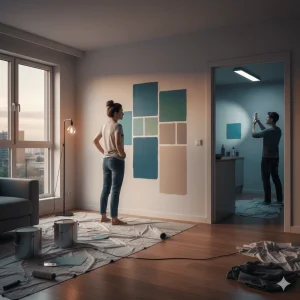
Choosing Colors Without Testing in Real Lighting
Paint colors change dramatically under different lighting conditions. Natural light, artificial light, and bulb temperature all affect appearance.
Testing samples on multiple walls and observing them throughout the day prevents disappointment after the job is finished.
Ignoring How Light Highlights Wall Texture
Directional lighting can reveal drywall seams, roller marks, and uneven finishes. This is why surface preparation and skilled application are critical in modern interior painting projects.
Common Interior Painting Mistakes During DIY Renovations
Not Protecting Floors, Trim, and Furniture
Paint splatter and spills are common in DIY projects. Without proper masking and floor protection, damage becomes part of the renovation cost.
Professional interior painters use drop cloths, masking tape, and protective coverings to maintain a clean job site.
Poor Edge Cutting and Trim Work
Cutting in around trim, ceilings, and corners requires precision. Uneven lines and paint bleed immediately lower the perceived quality of the entire room.
Finish carpentry and interior painting work best when coordinated by experienced professionals.
Interior Painting Mistakes That Affect Long Term Durability
Painting Over Moisture Issues
Moisture problems must be resolved before painting. Painting over damp walls leads to peeling, blistering, and mold growth.
Bathrooms, basements, and kitchens often require moisture resistant paint systems and proper ventilation solutions.
Ignoring Seasonal Conditions
Humidity and temperature impact paint curing. Interior painting during extreme conditions without climate control affects durability and appearance.
Professional contractors adjust techniques and materials based on seasonal conditions in New Hampshire and Massachusetts.
Interior Painting as Part of a Complete Home Renovation
Interior painting delivers the best results when integrated into a full renovation plan. Walls, trim, doors, flooring, and ceilings should be considered as a cohesive system.
A home renovation contractor understands how painting interacts with drywall, carpentry, and flooring installation. This approach reduces mistakes and ensures consistent quality throughout the home.
Interior painting is not just about aesthetics. It affects maintenance, comfort, and the overall longevity of renovation work.
Table of Common Interior Painting Mistakes and Solutions
| Common Mistake | Why It Happens | Professional Solution |
|---|---|---|
| Skipping wall prep | Underestimating prep work | Cleaning, sanding, repairing |
| Wrong paint finish | Focus only on color | Room specific paint selection |
| No primer | Trying to save time | Proper priming for adhesion |
| Rushed drying | Tight timelines | Planned drying and curing |
| Poor tools | Budget shortcuts | Professional grade equipment |
When to Call a Professional Interior Painting Contractor
If your interior painting project involves drywall repairs, trim work, or is part of a larger renovation, professional help prevents costly mistakes.
Experienced contractors coordinate interior painting with other renovation phases, ensuring durability and consistent finishes.
Homeowners who value long term results, indoor comfort, and a stress free renovation experience benefit from professional interior painting services.
Final Thoughts on Avoiding Interior Painting Mistakes
Interior painting mistakes are rarely about effort; they are about planning, knowledge, and execution. When painting is treated as a core part of home renovation rather than just a cosmetic afterthought, the results improve dramatically, adding significant value and comfort to your living space.
To ensure your 2026 interior project delivers professional results that last, keep these priorities in mind:
Strategic Surface Preparation: The secret to a flawless finish lies in the sanding, cleaning, and priming stages before the first drop of color is applied.
Material Precision: Use high-performance coatings specifically selected for the lighting and humidity levels of each individual room.
Professional Execution: Working with an experienced renovation contractor ensures consistent edges, uniform texture, and a durable finish that stands the test of time.
Ready to transform your home with expert guidance and high-quality craftsmanship? Contact us today to schedule your professional consultation and receive a detailed plan for your next project, or call us diretamente em: (508) 501-9417
Expert Interior Painting Services Near You
Choosing the right painting partner means working with a team that understands the specific architectural styles and environmental factors of the Northeast. Pedroza’s Painting Services INC provides specialized interior solutions across multiple communities, delivering tailored results that reflect each homeowner’s unique vision.
If you are located in one of the areas below, explore our dedicated service pages to learn more about how we can help with your project: